

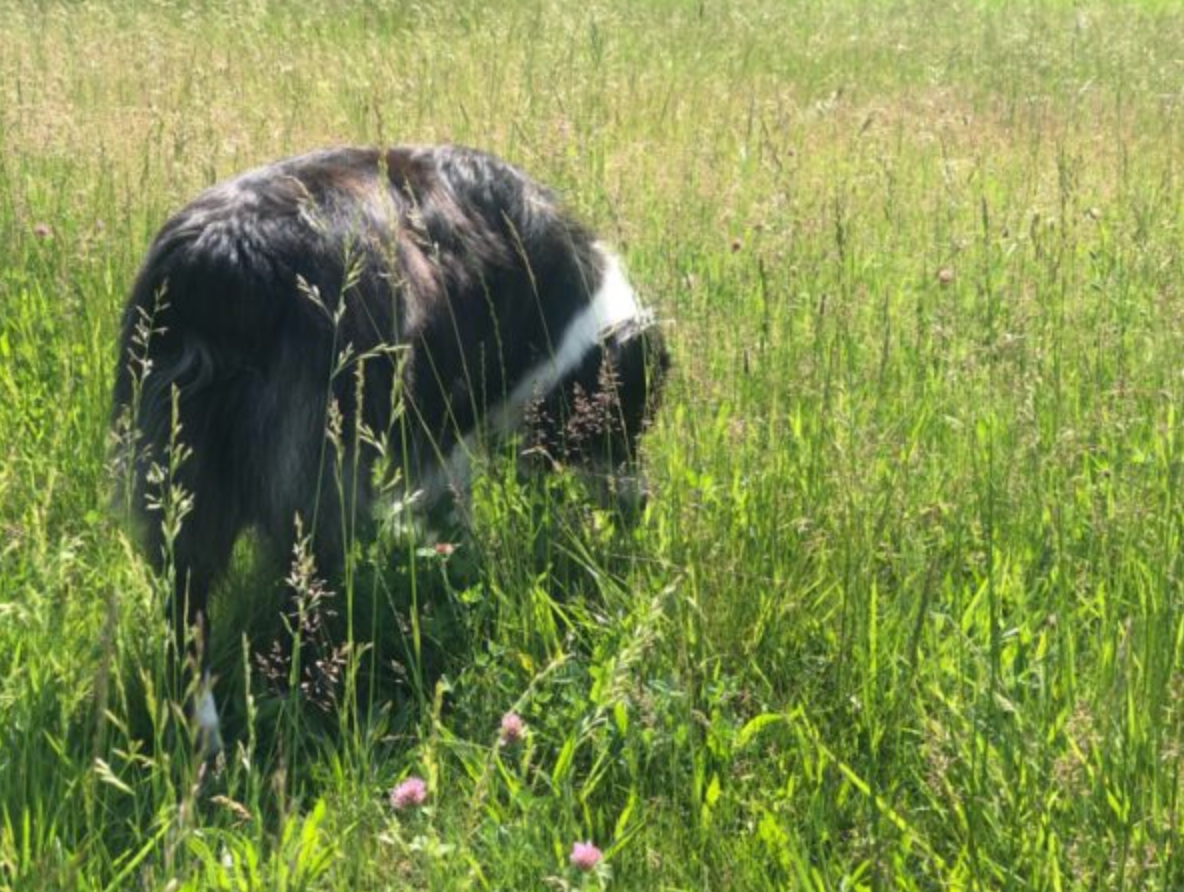
We can all agree that summer is the best time to get outside and enjoy the sun. But just like you have to be prepared with sunglasses and sunscreen, your pet has to be prepared as well. Their needs are just a little different than ours. So here are a few tips and reminders to make sure your fun day stays that way!
Flea and Tick Prevention. Make sure your dog is well equipped with the best preventatives for their needs. Oral prevention is great for killing fleas and ticks right at the source. When a parasite takes a bite they will die. If you are taking your dog through the woods or the water, then adding a topical preventative is the way to go! Topical preventatives help to repel the fleas and ticks. When partnered together your pet will have all the protection it needs to make it out parasite free.
Vaccinations. Vaccinations are important when spending time outside with your pet whether you are hiking alone or visiting with other pups at the park. These will protect them from diseases and illnesses that can be carried both from wildlife and other domesticated pets. The Lepto vaccination is great for dogs that are going to be in wooded areas, around water, or around wildlife. This protects against Leptospirosis, a zoonotic disease that can be spread through the feces of wildlife.
Water. Seems like a simple thing, but sometimes people forget when they are excitedly packing for the day. You may be able to take a long walk and make it back to the car without water, but your dog might need a drink a little sooner. It is always a good idea to bring an extra water bottle for your pup on long days outside. There are a few different options to make sharing the water easily too. Tools such as collapsible water bowls and cap attachments are a good way to simplify making sure your dog has adequate hydration.
Identification. Make sure your pet has proper identification when they are with you outdoors. In the unfortunate occasion that they pull away from you to chase a squirrel or maybe find a new friend, a tag or plate on their collar will help other owners to properly return them back to you. Microchips are highly recommended especially if you are travelling with your pet. This is a chip that is inserted between their shoulder blades, in the subcutaneous tissue, with a permanent identification number that most veterinary clinics and shelters can scan. This is then linked to your name and phone number to help get your pal home quickly.
First Aid Kit. On longer trips it is good to have a pet first aid kit handy, just like you would for yourself. If you are camping and not close to veterinary care, a first aid kit is a good way to help your pet on site until you can see a veterinarian. Fill your first aid kit with things such as a spare small bottle of water, a tick removal instrument, bandages, gauze, medical tape, and antiseptic wipes. Luckily many companies sell these prepacked for easy grab and go. Then always make sure to follow up with your veterinarian for further treatment.
Lastly, it is important to be aware and watch for the signs of heat stroke. If you notice the signs of heat stroke, remove your pet from the hot area and bring them into a cool place immediately. Spray your pet with cool or room temperature water into their fur. DO NOT use ice or ice water. Then take your pet to your veterinarian immediately for further treatment.
- Excessive Panting
- Excessive Drooling
- Agitation
- Very red or pale pink/white gums (often tacky to the touch)
- Bright red tongue
- Increased heart rate
- Breathing distress
- Vomiting
- Diarrhea (possibly with blood)
- Signs of mental confusion
- Dizziness & staggering
- Lethargy
- Muscle tremors
- Seizures
- Collapsing and lying down
- Little to no urine production